Juicing for beginners
If you’ve been considering juicing but aren’t sure where to begin, you’ve come to the right place! Welcome to this full juicing for beginners guide.
Juicing is a great way to get a variety of fruits and vegetables into your diet.
These are beneficial to your health and provide additional nutrients to your diet.
The only problem is that there are so many alternatives that it might be overwhelming.
That’s why we’ve put up the full juicing for beginners guide so you can get started right away!
What is the purpose of juicing and how may it benefit you?
Juicing is the extraction of juice from fruits and vegetables after removing the pulp, fibres, and skins.
The liquid that results has a high concentration of vitamins, minerals, and phytochemicals.
Phytochemicals are natural molecules that help us stay healthy by protecting us from sickness.
Juicing is a simple technique to get extra nutrients into your system without having to consume large volumes of vegetables on a daily basis.

Different types of juicers
Mechanical juicers are classified into two types: centrifugal and masticating. To juice oranges and lemons, many people use a simple citrus squeezer.
The various varieties differ in how they extract juice from fruit, how efficiently they extract nutrients, and how quickly they grind up the contents.
Let’s dissect each type so you can decide which is best for you!
Centrifugal juicers use high-rpm spinning blades to chop fruits and vegetables into tiny pieces.
They are then spun at high speeds inside a mesh filter basket (called an auger).
Despite the fact that the juice is drawn through, the waste is left behind.
Because they do not extract all of the juice, they have been shown to be less efficient than other versions.
As a result, the remaining pulp can be quite wet.
Masticating juicers are ideal for juicing leafy greens such as kale, spinach, and wheatgrass.
They extract more nutrients from these difficult-to-juice ingredients than any other equipment.
The auger crushes the fruits and vegetables gradually, creating a vortex that extracts as much liquid as possible from your produce.
Making your own juices with a masticating juicer is also the quietest option.
Buying a Juicer: Some Pointers
If you’re on a budget and want to save money, buy a ‘pre-loved’ juicer in good condition.
If you only want to try juicing before investing in a new juicer, this is a fantastic option.
Look for a juicer that has at least two speeds (e.g., low speed/high speed) so you can juice leafy greens like wheatgrass or spinach without blowing up the motor if you press the wrong button.
Consider which size will fit best on your counter.
Some people prefer a small juicer when space is limited, while others prefer a larger juicer.
How to make a juice
There is some preliminary work to be done.
This includes chopping up the vegetables so you can easily feed them through the juicer blades without exerting too much energy.
Fruit and vegetables do not need to be peeled, however, it is best to buy organic products for this reason.
This is due to the fact that the bulk of residue from the chemicals used in produce production is found on the skin.
If you can’t get organic produce, properly wash it in a mixture of freshwater, vinegar, and lemon juice.
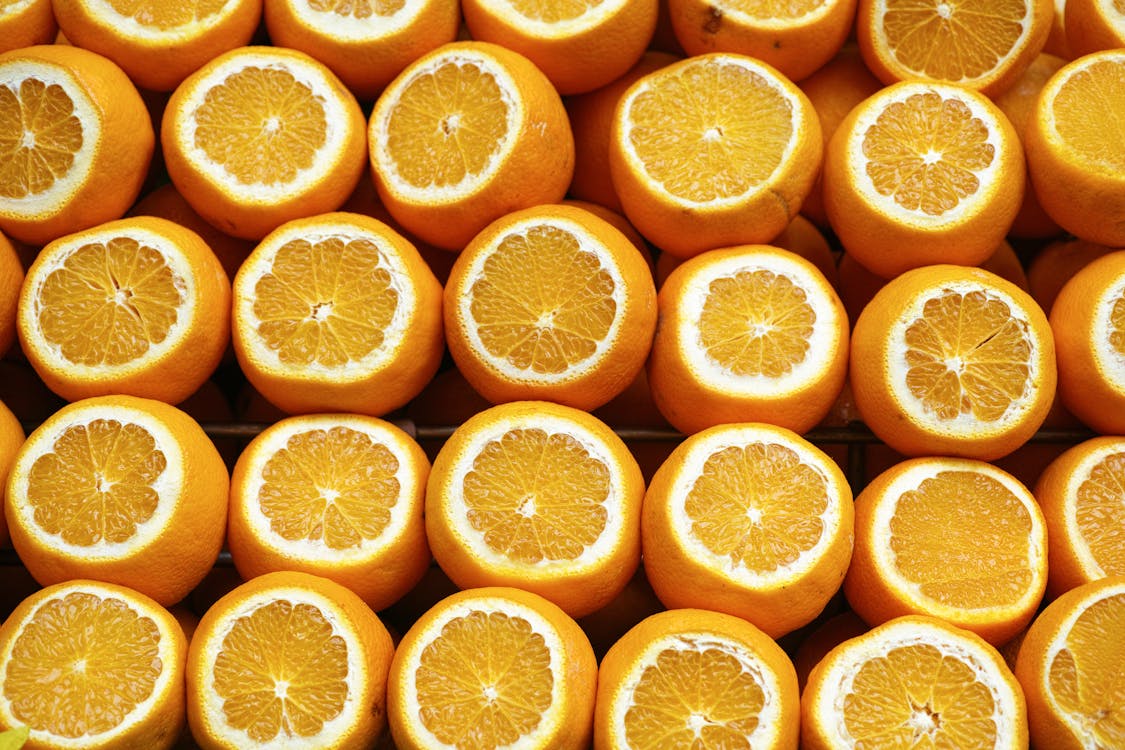
Juices that are suitable for those who are just getting started on their health journey.
Vegetable Juice: Vegetables are an excellent place to start because they are low in calories and easy to digest.
They’re high in fibre, which can aid with constipation and cholesterol reduction.
For your first juice recipe, combine root vegetables, dark leafy greens, and citrus.
You’ll discover that you can juice almost any product once you get started, and you can even add ginger root and turmeric for added flavour.
Where can I find recipes to help me get started juicing?
On the internet, you may find some of the greatest juicing recipes for beginners.
There is a lot of content dedicated solely to juicing, making it simple to find what you need and be inspired by new ideas.
The internet also contains a plethora of user-generated recipe sites that have sprung up in response to the growing popularity of DIY juice creation.
If you need more particular information about ingredients or instructions on how to prepare them, these can be useful.
You’ll be spoiled for choice if you search for “juicing recipes” on Google, Facebook, or YouTube.
Common mistakes with juicing
Beginners to juicing frequently make the mistake of purchasing a costly juicer before considering their needs.
If you’re just getting started with juicing, you simply need an inexpensive juice extractor because your needs will vary as you get more experience.
Another common blunder made by beginners is juicing only fruit.
Although these juices are tasty, they are often heavy in sugar.
This sugar is readily absorbed by the body, resulting in bad health and weight gain.
Vegetables can be added to make a healthier juice.
Drink your juice as soon as possible.
Beginners may be scared off by their juice’s ‘browning,’ even if it is kept refrigerated.
This is caused by natural oxidation, similar to how a chopped apple turns brown.
It won’t harm you, although it may appear unappealing.
Another beginner error is discarding the pulp. If you use a centrifugal juicer, the pulp frequently contains a lot of nutrients.
You can use the pulp from carrot juice to make a carrot cake, or you can use it as a base for a smoothie.
Finally, if you’re a beginning juicer, make sure to clean your juicer as soon as possible after each usage.
Leaving it will simply make the job more difficult.
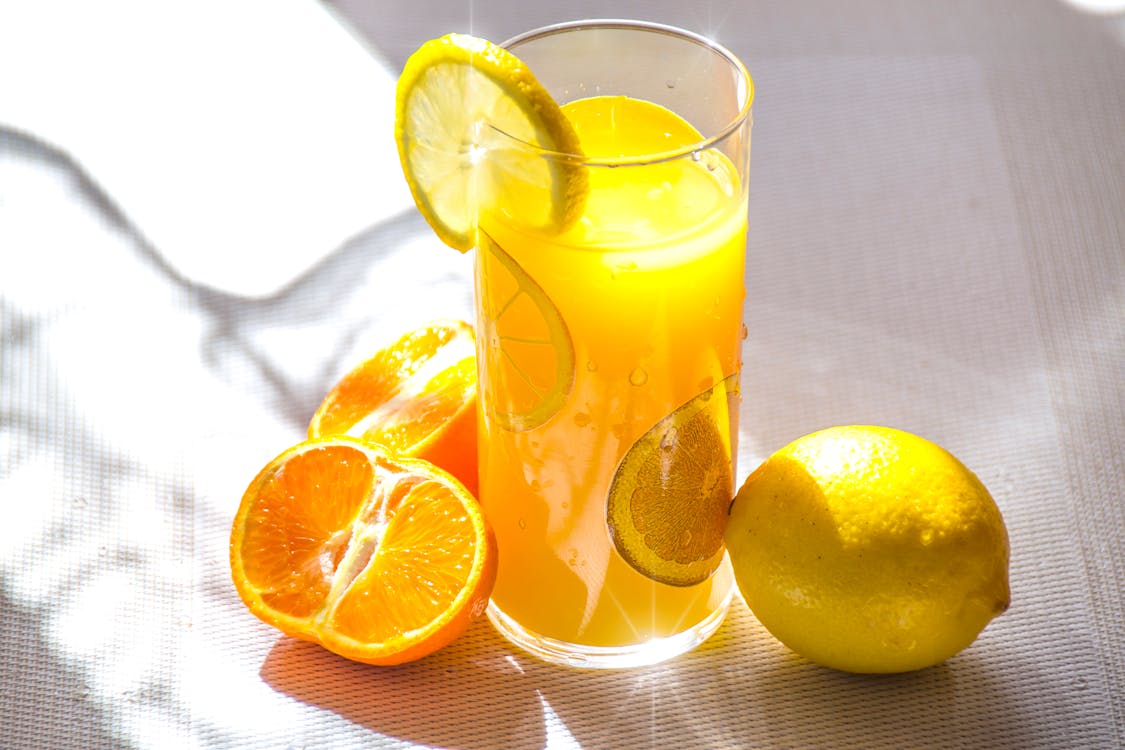
Reasons to Consume the entire Food Form:
I have multiple people that pertain to me wishing to drop weight.
One of the primary recommendations I make is to change from juice or soda to fresh filtered water as well as organic tea.
One instance I utilize to explain the benefits of consuming the entire food versus the juice type is as follows:
when you eat an orange you obtain fibre from the pulp and also the skin of the orange which assists to lower appetite, there are cancer-fighting nutrients from the white flesh of the peel, as well as you normally stop after eating one orange.
Furthermore, while you are chewing, you blend an enzyme in your saliva called salivary amylase with the sugars from the orange to enhance the food digestion of the all-natural sugar in the orange.
When drinking juice, you generally consume the calories of 2 or three oranges in one sitting, the salivary amylase does not bind to the sugars as conveniently due to the large quantity of sugar consumed in a few gulps, as well as fibre web content is considerably reduced otherwise completely eliminated.
Because there is more fibre in the entire food form, you will usually take in fewer calories since you start to feel full.
Juice on the other hand has marginal quantities of fibre and normally contains higher calories as more vegetables and fruit are required to make a cup of juice.
I especially recommend that youngsters not eat large quantities of juice as it discourages them from consuming water as their primary source of fluids.
Likewise, raised sugar consumption can influence their mood such as hyperactivity or irritability because of a spike in blood glucose.
Freshly juiced vegetable juice with some fruit in a mix with a well balanced entire foods diet regimen is the exemption to the policy.

Should I drink juice?
Everyone has one-of-a-kind health and wellness requirements.
To answer whether you must drink juice or otherwise, I require you to clarify the glycemic index (GI) so you can make the appropriate choice for you.
The glycemic index is a mathematical system of determining how rapid carbs trigger a rise in circulating blood sugar (i.e. the higher the number, the greater the blood sugar response).
The glycemic index is gauged on a range of 0 to 100. If a particular food has a GI of 0 then it will not affect your blood glucose.
However, if the GI is 100, such as pure walking cane sugar, then your blood sugar will certainly spike rapidly.
When blood glucose climbs, a hormone called insulin is launched from your pancreas.
Insulin brings sugar from your blood right into the tissues where it can be stored or made use of for power.
Insulin assists to bring blood sugar back down to typical.
When foods have a high GI, blood sugar level rises quickly, creating a surge in insulin.
Why should you care?
The hyper-secretion of insulin can trigger a rapid drop in blood sugar (reactive hypoglycemia), which commonly will leave you feeling dizzy, shaky, tired, lightheaded as well as hungry for even more sugar shortly after you have eaten.
Along with enhanced hunger/cravings after eating a high GI food, the hyper-secretion of insulin causes boosted fat storage and also lowered muscle mass, which better reduces your metabolic price.
I usually recommend that individuals with diabetic issues, cardiovascular disease, hypoglycemia (low blood glucose) or metabolic conditions such as PCOS select low to moderate GI foods.
Additionally, if you are obese or trying to lose weight, picking low to moderate GI foods will certainly aid you to stay stimulated while curbing your cravings.
Fruit juice typically has a GI of moderate to high.
Vegetable juices can be a great source of nutrients while having a low glycemic index (though healthy and balanced, carrot and beetroot juice have a higher GI than a lot of vegetables).
Video: Juicing for beginners
Pingback: 30 Proven Ways of Losing Weight Naturally and Keep it Off – Lose Weight Mind