The best fat-burner food is bananas
Yes, it is true. The best fat-burner food is bananas!
Bananas are an excellent source of dietary fibre. 3.07 grams is the weight of a tool banana (g) Fiber is a trusted source, and the recommended daily consumption for people on a 2,000-calorie diet is 25 g.
According to research, there is a correlation between higher fibre consumption and lower body weight.
This vitamin may also aid in the reduction and stabilization of blood glucose levels.
Fibre can help people feel fuller for longer, which may lead to a reduction in the total number of calories consumed.
Specific types of fibre take a long time for the body to absorb, allowing it to better control food intake.
According to the authors of a review that looked at more than 50 research, increasing daily fibre intake by 14 g can result in a 10% reduction in overall energy intake and a weight loss of 2 kilos (4.41 pounds) over four months.
Scientific Research best fat-burner food
A Chinese study examined the impact of dietary fibre on hunger in 100 overweight but otherwise healthy adults.
The findings demonstrated that increasing dietary fibre reduced appetite as well as the number of calories consumed by the participants.
Fibre may also help to reduce cholesterol levels and the risk of heart disease.
Immune starch is found in immature bananas that are good for the environment. A carb called resistant starch does not break down quickly in the small intestine.
It instead passes through the large intestine, implying that it does not affect blood glucose levels.
It then ferments in the large intestine, stimulating the growth of beneficial bacteria in the intestine.
Consuming more resistant starch, which works in a similar way to dietary fibre, may help people lose weight.
It has the potential to reduce a person’s appetite by making them feel fuller for extended periods of time.

Are Bananas Fattening or Weight Loss Friendly?
Fruits and vegetables are frequently recommended to people who desire to improve their health.
However, some people believe that high-sugar fruits, such as bananas, can cause weight gain.
This article investigates whether bananas cause weight gain or loss.
Nutrition Facts of Bananas
Bananas are rich in a variety of nutrients and have numerous health advantages.
- They’re high in fibre, carbohydrates, vitamins and minerals.
- Potassium: 12% of the recommended daily intake.
- 20 per cent of the RDI for vitamin B6
- Vitamin C: 17% of the recommended daily allowance.
- Magnesium accounts for 8% of the RDI.
- Copper makes up 5% of the RDI.
- Manganese is about 15% of the RDI.
- 3.1 grams of fibre
- This has roughly 105 calories, with carbs accounting for 90% of the total. Sugars – sucrose, glucose, and fructose — make up the majority of the carbs in ripe bananas.
- Bananas, on the other hand, are poor in fat and protein.
- Dopamine and catechin are two important plant chemicals and antioxidants found in bananas (2, 3, 4).
- More information can be found at Bananas 101: Nutritional Facts and Health Benefits.
- Carbohydrates, fibre, several important nutrients, and antioxidants are all found in bananas. A medium banana has 105 calories in it.

Bananas Are High in Fiber, But Low in Calories
Bananas have a high fibre content calorie for calorie. That makes it the best fat-burner food.
With only 105 calories, one medium banana delivers about 12% of your daily recommended intake.
Fibre is essential for maintaining normal bowel habits as well as digestive health.
High-fibre diets have even been associated with a lower risk of heart disease, diverticular disease, and certain malignancies.
Fibre consumption is also connected to a reduction in body weight.
For 20 months, one study tracked the food intake of 252 women.
It was discovered that for every additional gram of fibre consumed each day, the women’s body weight decreased by 0.55 lbs (0.25 kg).
Fibre is thought to have this effect because it keeps you fuller for longer, which may help you eat fewer calories in the long run.
Other studies, on the other hand, have indicated that adding more fibre to the diet does not affect people’s feelings of fullness or calorie consumption.
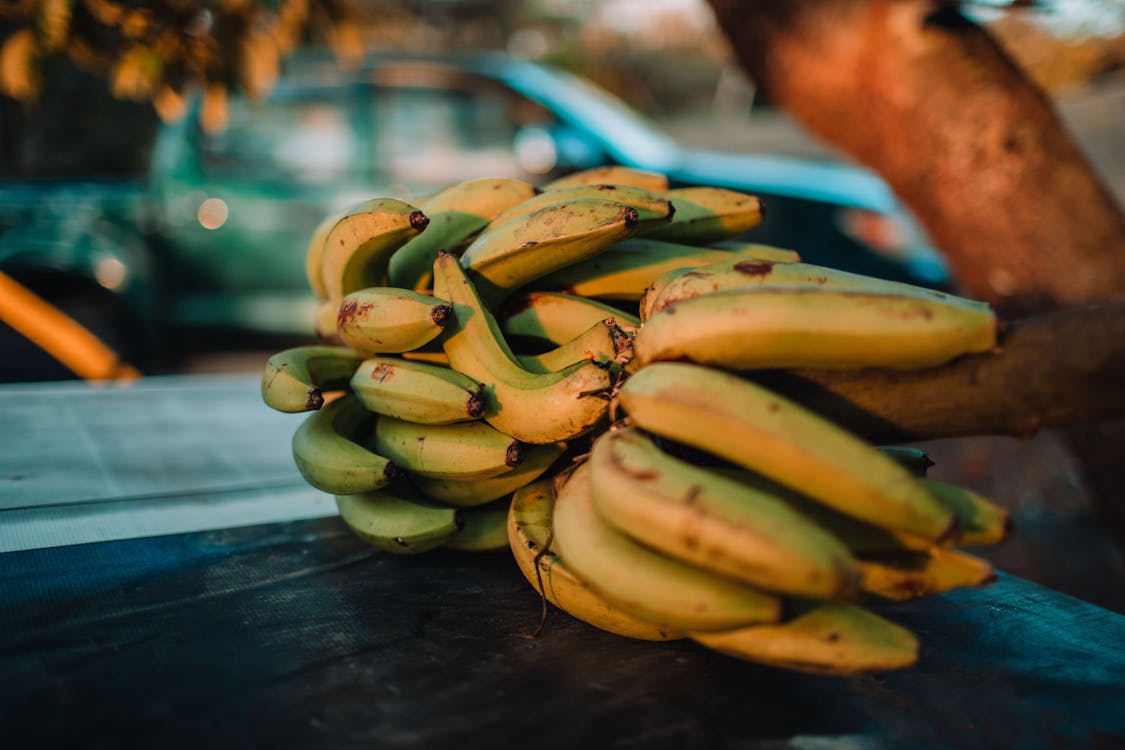
Bananas are an excellent source of fibre. Fibre consumption has been related to weight loss and other health advantages.
Other benefits
Bananas are known for their high potassium content, but they also contain a variety of other minerals that are beneficial to the body.
A good reason why bananas are the best fat-burner food.
Potassium
Potassium intake for adults is 2,600 milligrams (mg) for females and 3,400 milligrams (mg) for males. Women who are pregnant or breastfeeding should increase their daily intake.
A medium banana has 422 mg of potassium, which is roughly 12% of the daily required potassium consumption.
Potassium helps the body manage salt levels, which can assist to decrease blood pressure and avoid heart disease and stroke.
It’s also important for renal health and can help prevent kidney stones.
Magnesium
Magnesium is also abundant in bananas. A medium banana has 32 mg of magnesium in it, which is roughly 8% of the daily required amount.
Magnesium is necessary for energy production, nervous system function, blood pressure regulation, and blood sugar regulation.
Bananas’ flavonoids and magnesium may also aid in improving insulin sensitivity and lowering the likelihood of insulin resistance.
Insulin is a hormone that regulates blood sugar levels in the body. When the body’s insulin isn’t used properly, it can lead to diseases like diabetes.
Energy
When it comes to exercise, bananas are also a terrific source of energy.
According to the findings of a 2012 study, eating a ripe banana while exercising had the same effect on endurance as drinking a carbohydrate drink.
The tiny study had 14 trained male cyclists complete two 75-kilometre cycle time trials, with blood tests taken before and after the activity to demonstrate the effects.
Eating a banana before and after endurance exercise was found to improve performance, although not as much as the carbohydrate drink.
Those who ate bananas, on the other hand, had higher dopamine levels. Dopamine is a neurotransmitter in the body that causes motivation and rewards feelings.
Nutrition
The nutritional value of a banana varies according to its size. A medium banana (7–8 inches long) includes the following nutrients:
- 105 kcal of energy
- 1.29 g protein
- 3.07 g fibre
- 27 g carbs
- 0.39 g fat
- 422 mg potassium
- 31.90 mg magnesium
- 26 mg phosphorus
- 5.90 mg calcium
- 10.30 mg vitamin C
- 0.31 mg iron
- 23.60 micrograms (g) folate
- Vitamins A, E, and K are also found in modest levels in bananas.
Ripeness
Low GI foods are those with a glycemic index (GI) of 55 or less. These foods will help you maintain a healthy blood sugar level. The higher the GI value of fruit, however, the riper it is.
A ripe banana with a weight of 120 grams has a GI of 51, while an underripe banana has a GI of 30.
Researchers recruited 45 participants with high cholesterol or type 2 diabetes for a 2014 study to explore if eating 1–2 ripe bananas per day would improve their blood sugar and lipid profiles.
Despite the fruit’s high sugar level, the results showed that consuming it on a regular basis was safe for diabetics.
In adults with high cholesterol, adding bananas to their diet lowered blood sugar levels and lipid profiles marginally.
If consumers are concerned about the sugar content of ripe bananas, they can reduce their sugar intake by eating a less ripe or smaller banana.

Fattening or Weight Loss Friendly?
There is no doubt that bananas are healthy and nutritious.
They contain a lot of fibre but are low in calories.
When compared to other high-carb foods, bananas have a moderate to medium glycemic index and should not produce significant blood sugar spikes.
Although no studies have explicitly examined the benefits of bananas on weight reduction, they do have a number of qualities that should make them a weight-loss-friendly food.
There’s nothing wrong with eating bananas as part of a well-balanced, real-food-based diet if you’re attempting to lose weight.
That is why bananas are the best fat-burner food.